Your brain didn't just get hit. It got rewired — and it needs help finding its way back.
Most concussion treatment manages your symptoms and waits. BrainVive identifies exactly which sensory pathways were disrupted — and retrains them. In 30 days.
Concussion recovery
96%
of clients report improvement within 38 days
30
days to complete the full protocol
61%
report improvement in articulating ideas clearly
does this sound familiar?
vertigo
fatigue
sensitivity
vision
reading
problems
depression
sensitivity
migraines
crowds
difficulties
difficulty
These aren't just symptoms. They're signals.
Your brain's multi-sensory processing was disrupted at a foundational level — and no amount of rest, medication, or coping strategies will retrain it. It requires something different.
Visual Input Training
Specialized light training
Vestibular Stimulation
Intensive motion & balance work
Auditory Stimulation
Sound-based neural input
the brainvive protocol
We don't treat the symptoms.
We retrain the source.
BrainVive combines 3 simultaneous sensory inputs in a precise, non-cognitive, repetitive protocol. This targeted stimulation allows the concussed brain to relearn the subconscious skill of multi-sensory integration — the foundational skill that was disrupted by injury. Each session builds upon one another.
Comprehensive Evaluation
We assess three dominant sensory systems to identify exactly where misfiring is happening. This is the step nobody else does — and why everything else has felt like guesswork. Your evaluation is the roadmap for everything that follows.
In-Office · First Step12-Day In-Office Retraining
Working directly with your BrainVive specialist, we begin retraining the specific systems identified in your evaluation with our specialized equipment. Targeted, measurable, and personalized to your brain.
In-Office · Days 1–1218-Day Home Program
Take a simple portion of the protocol home to continue sensory stimulation. Our team is available to answer any questions. At the 30-day mark the stimulation is complete and it's time to allow neural pathways to mature.
At Home · Days 13–30The injury wasn't just to your head.
It was to your brain's foundation.
why you're still struggling
From the moment we're born, the brain works to build a critical skill: integrating input from multiple sensory systems simultaneously. This multi-sensory foundation is what everything else — focus, balance, emotional regulation, reading, memory — is built upon.
When a concussion, whiplash, or head injury occurs, it can disrupt or damage this exact foundational layer. The most common disruption is to the integration of vision and the vestibular system — your body's sense of position and motion. That's where dizziness, nausea, light sensitivity, and blurry vision come from.
But it goes deeper. When this foundational processing breaks down, the higher brain (neocortex) is forced to compensate for work it was never designed to do. The result is the cascade you know well: brain fatigue, inattention, overwhelm, anxiety, and an inability to recover no matter how much you rest.
Three Systems Disrupted by Concussion
01
Visual System
Disrupted ↗
Eye tracking, depth perception, peripheral vision, motion processing
02
Vestibular System
Disrupted ↗
Balance, body position, spatial orientation, inner ear integration
03
Proprioceptive System
Disrupted ↗
Joint and muscle receptors, movement coordination, motor control
"The brain can only perform well if it can process well."
All three systems converge at the brainstem
"Injury can disrupt the neural pathways that provide multi-sensory processing — and that disruption is the real source of post-concussion syndrome."
—Brainvive Approach

96%
Report measurable improvements within 38 days
30
Days — not a lifetime of management
3
Sensory systems stimulated simultaneously
0
Drugs. Non-invasive. No cognitive effort required.
Simple, gentle, passive.
THE NEUROREHAB PROTOCOL™
Our unique 30 day program consists of 12 days in-office followed by an 18 day continuation at home to reinforce and strengthen neural pathways.
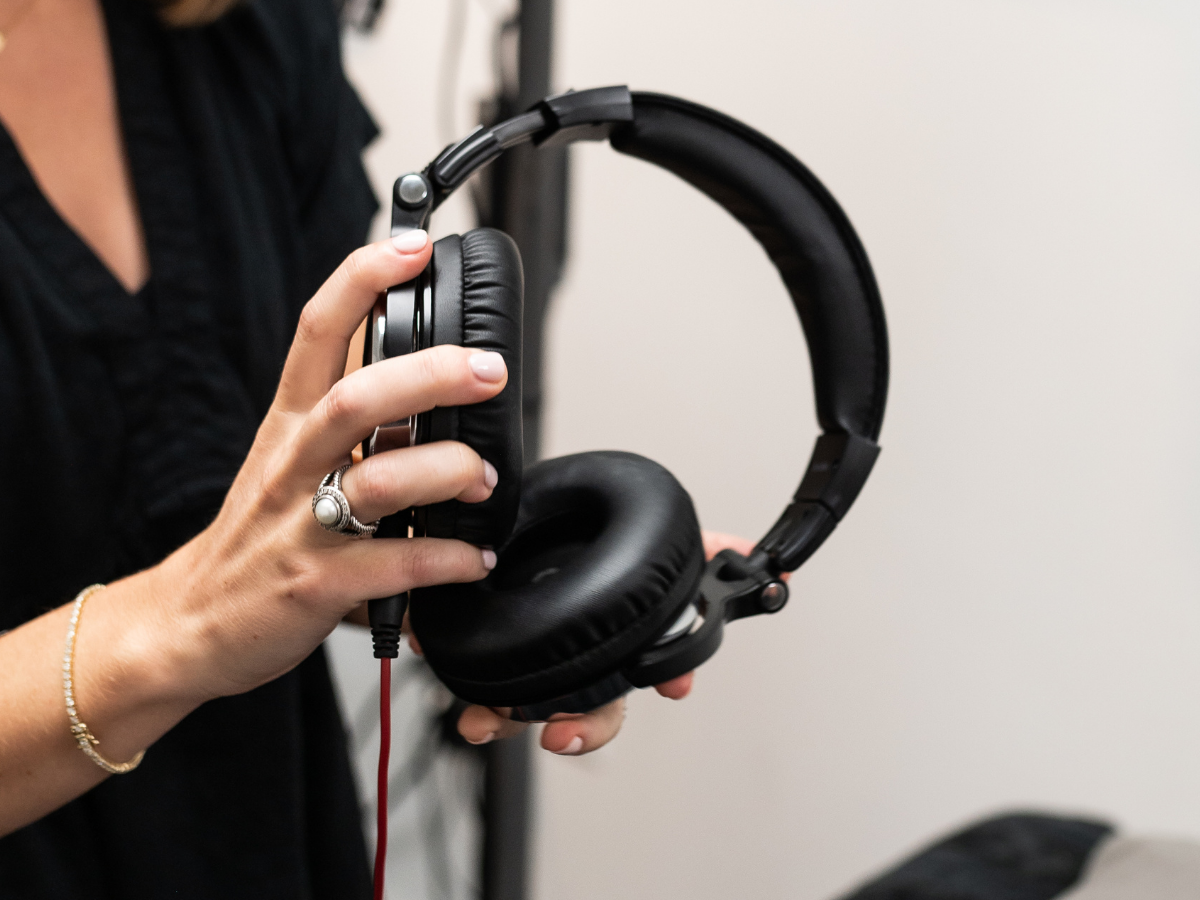
01 · Auditory
The Headphones
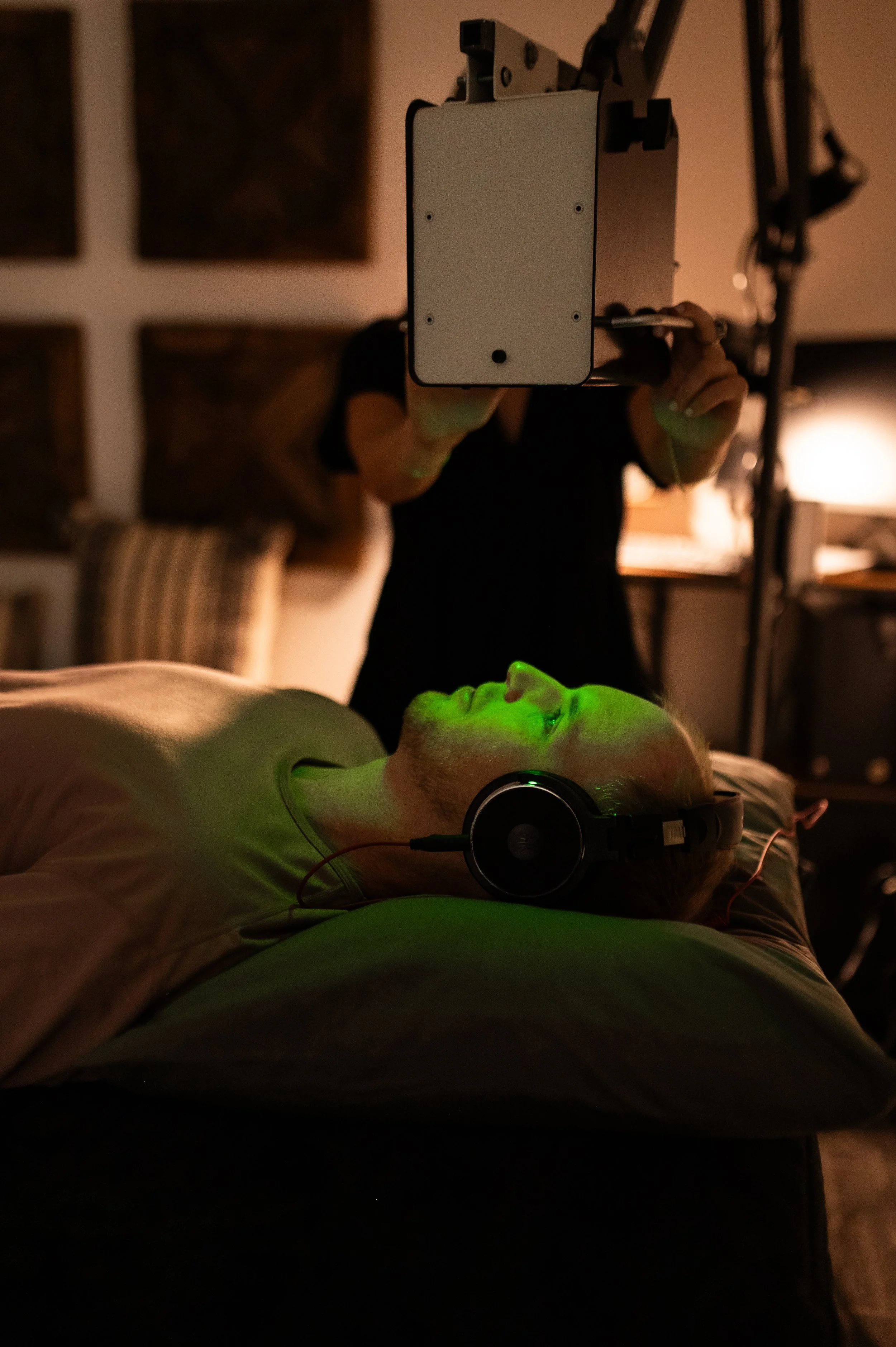
Through headphones, you'll listen to specific sounds and frequencies designed to engage the auditory system. Nothing jarring or unfamiliar — just quiet, structured audio in a calm room.
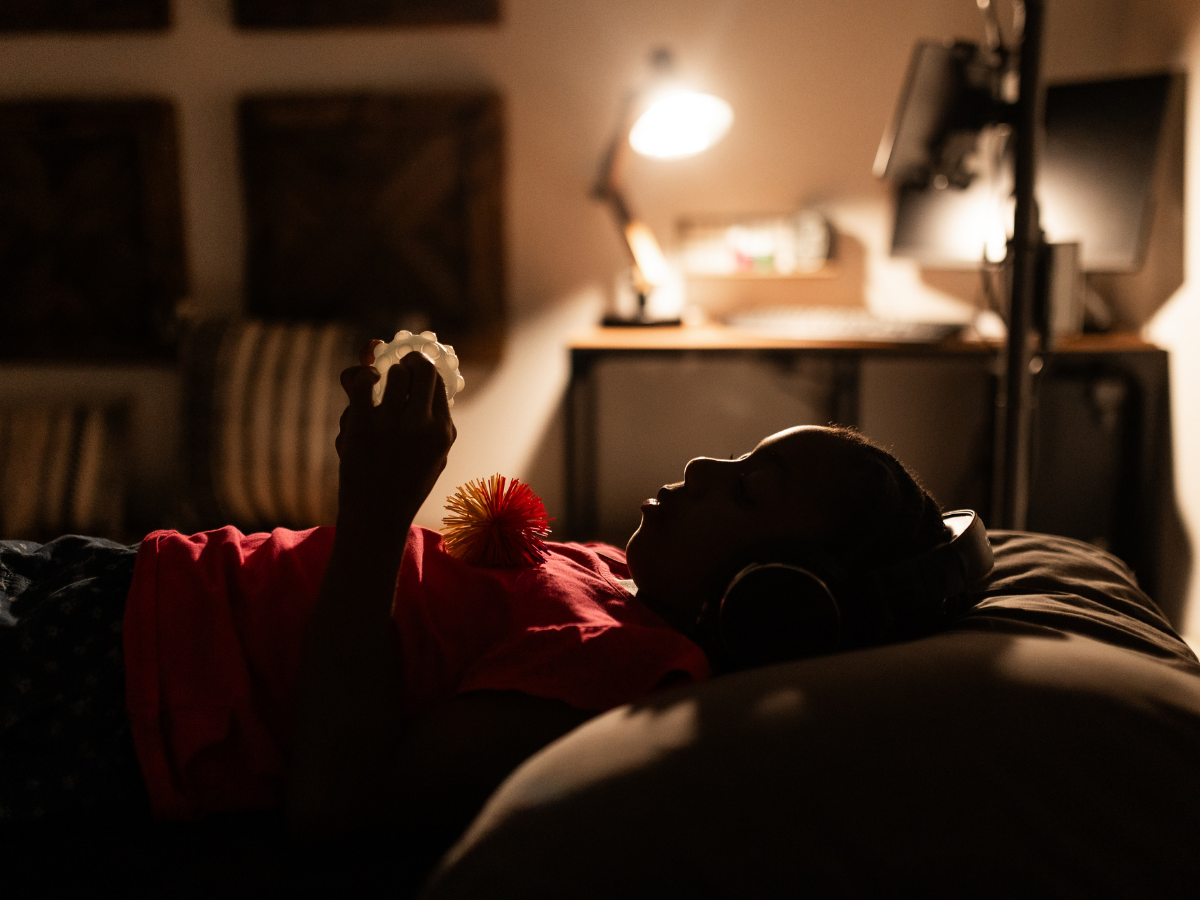
02 · Vestibular
The Table
You'll lie on a table that moves in slow, gentle, rhythmic patterns. This engages the vestibular system — the part of the brain responsible for balance, body awareness, and how settled the nervous system feels.
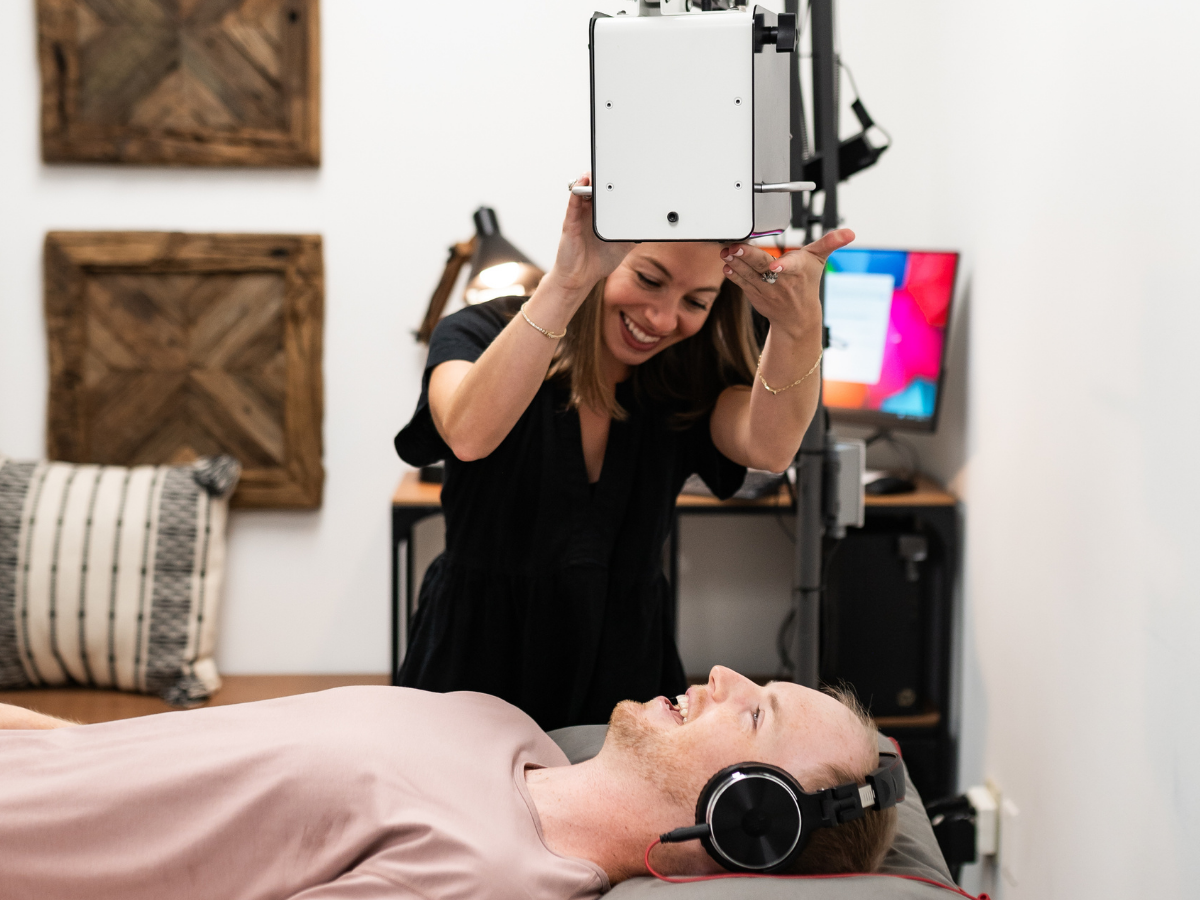
03 · Visual
The Light Box
A lightbox shows a single color for most of the session, occasionally shifting. It's not a light show — no swirling patterns or rapid changes. The simplicity is the point: it gives the visual system something steady and predictable to track.
04 · At Home
Continuing at Home
After the 12-day in-office phase, the light portion of the protocol continues at home — two 20-minute sessions a day in a dark room, for 18 days. Simple, structured, and easy to fit into a normal routine.
96% of post-concussion syndrome clients report improvements within 38 days.
Medical Professional
"Ten years ago, I sustained concussion and vestibular injuries in a severe auto accident. Lingering problems with vision, balance, chronic pain and fatigue made it impossible to continue my medical career as planned. I tried everything I could to recover, but nothing worked well until I found BrainVive. The program resolved my chronic pain and fatigue within thirty days. The pain and fatigue are not simply reduced — they are gone. When I tell others about this program, I usually just say: it gave me my life back."
Barbara Harris, MD, MBA
30 days
Chronic pain and fatigue resolved
10 years
Of suffering before finding BrainVive
Career
Restored ability to return to medicine
They tried everything too.
Then they found BrainVive.
real results
"I struggled with migraines, vertigo, and vestibular symptoms for over a decade. I couldn't drive anymore, could hardly think straight, and felt like I was going crazy. After BrainVive, I am regaining my cognitive abilities and am driving again. My pain is not constant anymore. Now I know it was my brain not processing correctly. BrainVive has changed my life."
Chris
Adult, vestibular & migraine symptoms
"For 3 years, doctors told me there was nothing they could do — it would just take time. For 3 years I had not driven. My first day at BrainVive, it was like the fog had cleared. 5 days in, I was driving myself to BrainVive. I am a completely different person."
Ramona, RN
Registered nurse, post-fall concussion symptoms
"The multi-sensory training opened up new neural pathways and peripheral vision fields post-concussion that have helped her in school, sports, and life in general. The long pauses have dissipated as processing speed has improved tremendously. I am so grateful for this program."
Mary Michel
Mother of a post-concussion patient
Every treatment you've tried was real.
The problem is they addressed what happens after the misfire.
the brainvive difference
You've done everything right.
Now do the one thing that works.
take the first step
Your evaluation is the first step — and the step nobody else has taken. We'll find exactly what's misfiring and build your protocol around it.