Whether it has a label or not — everything traces back to the same place.
The brainstem. The nervous system. The foundation.
for children

You know your child better than anyone. And you know when something isn't adding up.
is this for your child?
— They're the "deep feeling" kid. Every emotion is turned up to ten.
— School is a struggle, but it's not for lack of trying.
— Focus and attention are a daily battle — for both of you.
— Development has felt a little... off. Hard to explain to anyone else.
— Speech, coordination, motor planning — things that should be clicking aren't.
— They're either over the top or completely shut down. No in between.
— Shy, skittish, won't take risks — even when you know they want to.
— A history of illness that nobody has fully connected to anything.
If you found yourself identifying with any of these — you're in the right place.
Parents just like you.
Children who are thriving.
stories from our families
Bethany, Child with Anxiety Relief
Lizzy, College Student
Megan, Mother of Child with Learning Breakthrough
Every child is different.
The root is almost always the same.
who we serve
ADHD & Focus
ADHD & Focus
When trying harder isn't the problem.
- Struggles in school despite real effort
- Attention and focus challenges
- Slow processing speed
- Difficulty completing tasks
- Not reaching their potential
Autism & Sensory
Autism & Sensory
When the world feels like too much.
- Sensory overwhelm — sound, light, touch
- Communication and social processing
- Emotional dysregulation
- Rigid behaviors or routines
- Developmental support needs
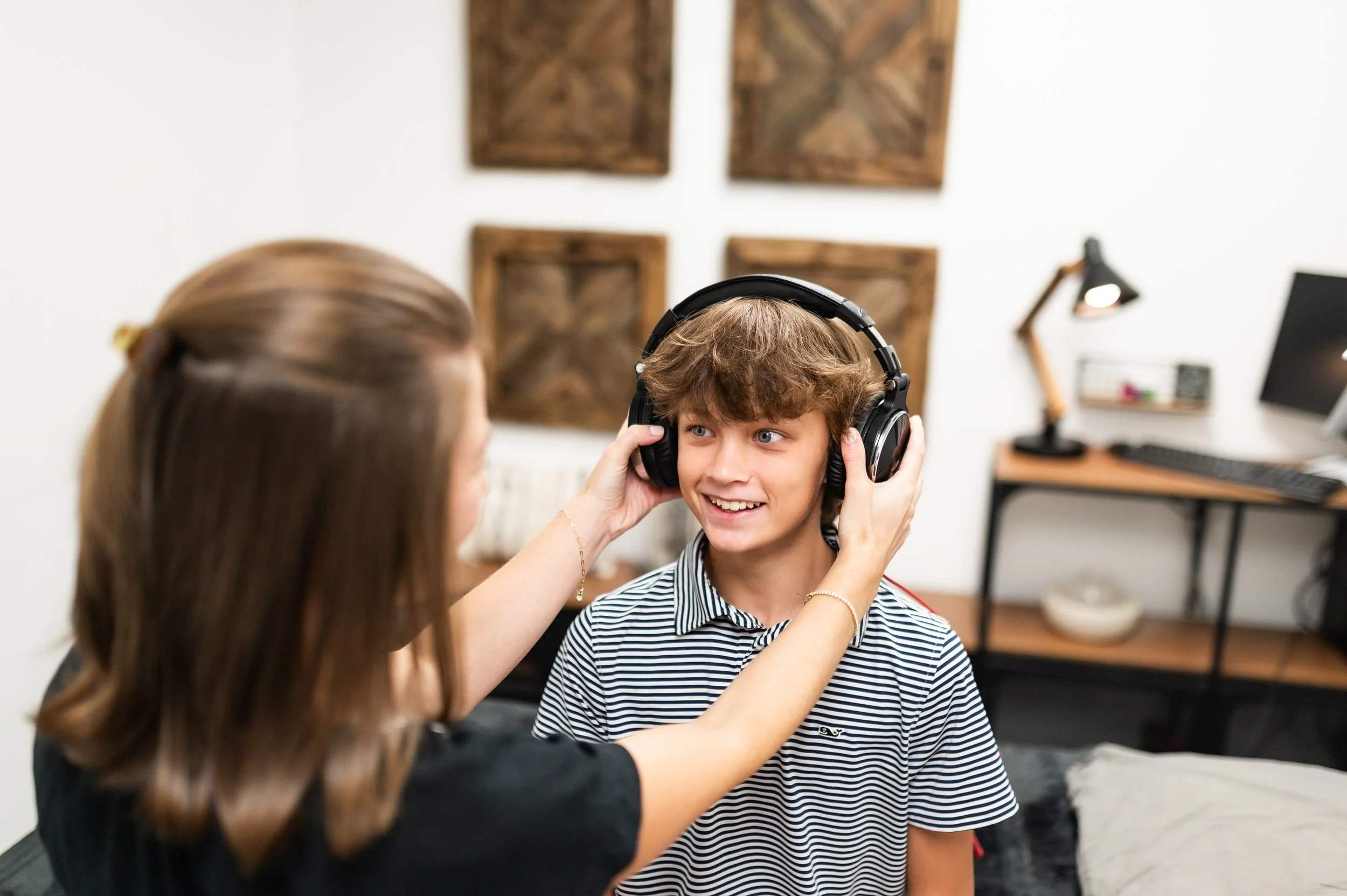
Dyslexia & Learning
Dyslexia & Learning
When reading and learning feel like a fight.
- Difficulty reading or retaining information
- Letter or word reversal
- Slow processing speed
- Struggles despite tutoring or IEPs
- Gaps between ability and output
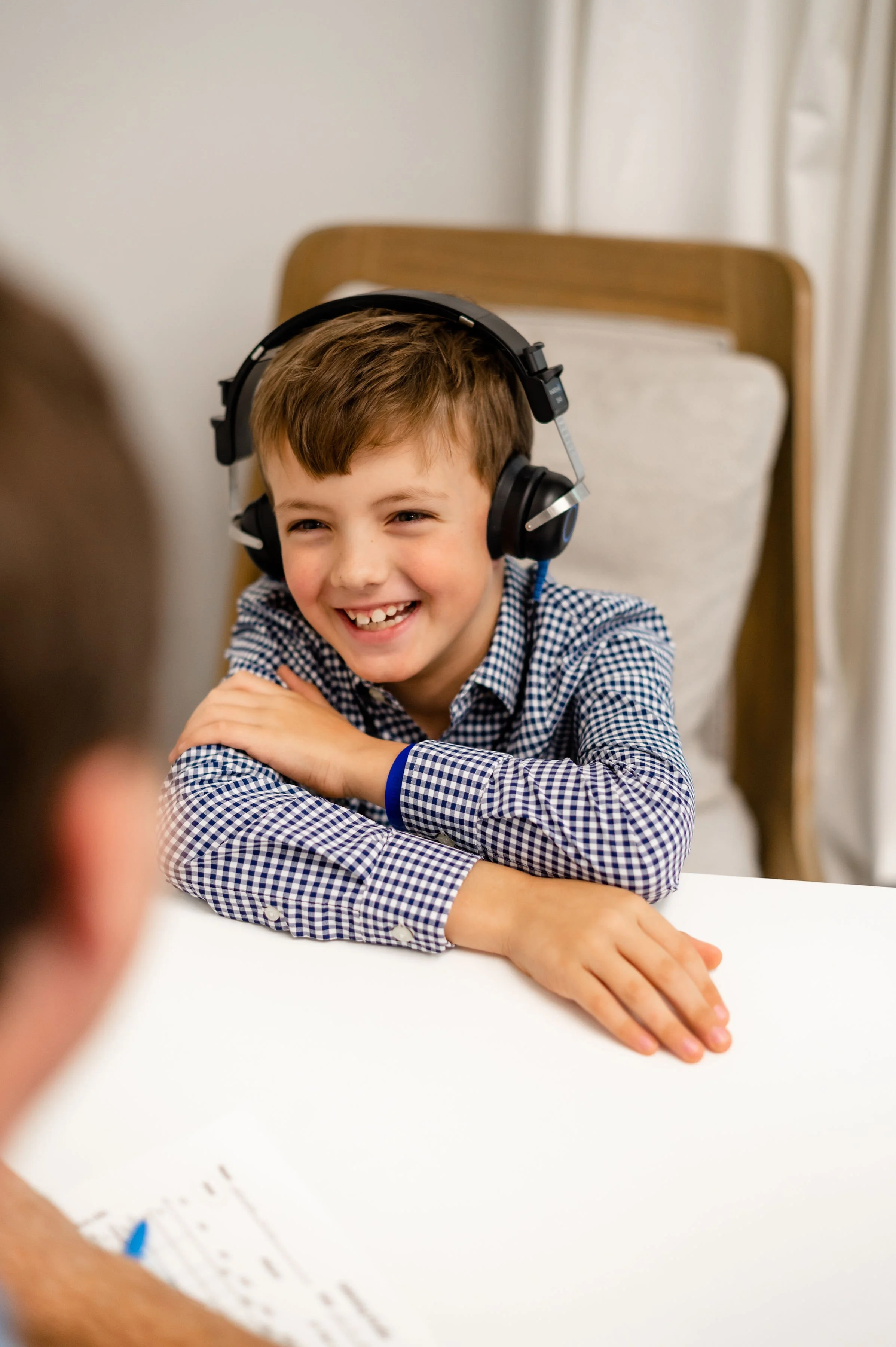
Anxiety & Emotional Regulation
Anxiety & Emotional Regulation
When big feelings take over.
- Frequent meltdowns or outbursts
- Anxiety that won't budge
- Difficulty calming down
- Impulse control challenges
- Emotional sensitivity

PANS/PANDAS
PANS/PANDAS
When your child changed overnight.
- Sudden behavioral or personality changes
- OCD or intrusive thoughts
- Anxiety, rage, or emotional fragility
- Regression in skills
- Sleep disruption
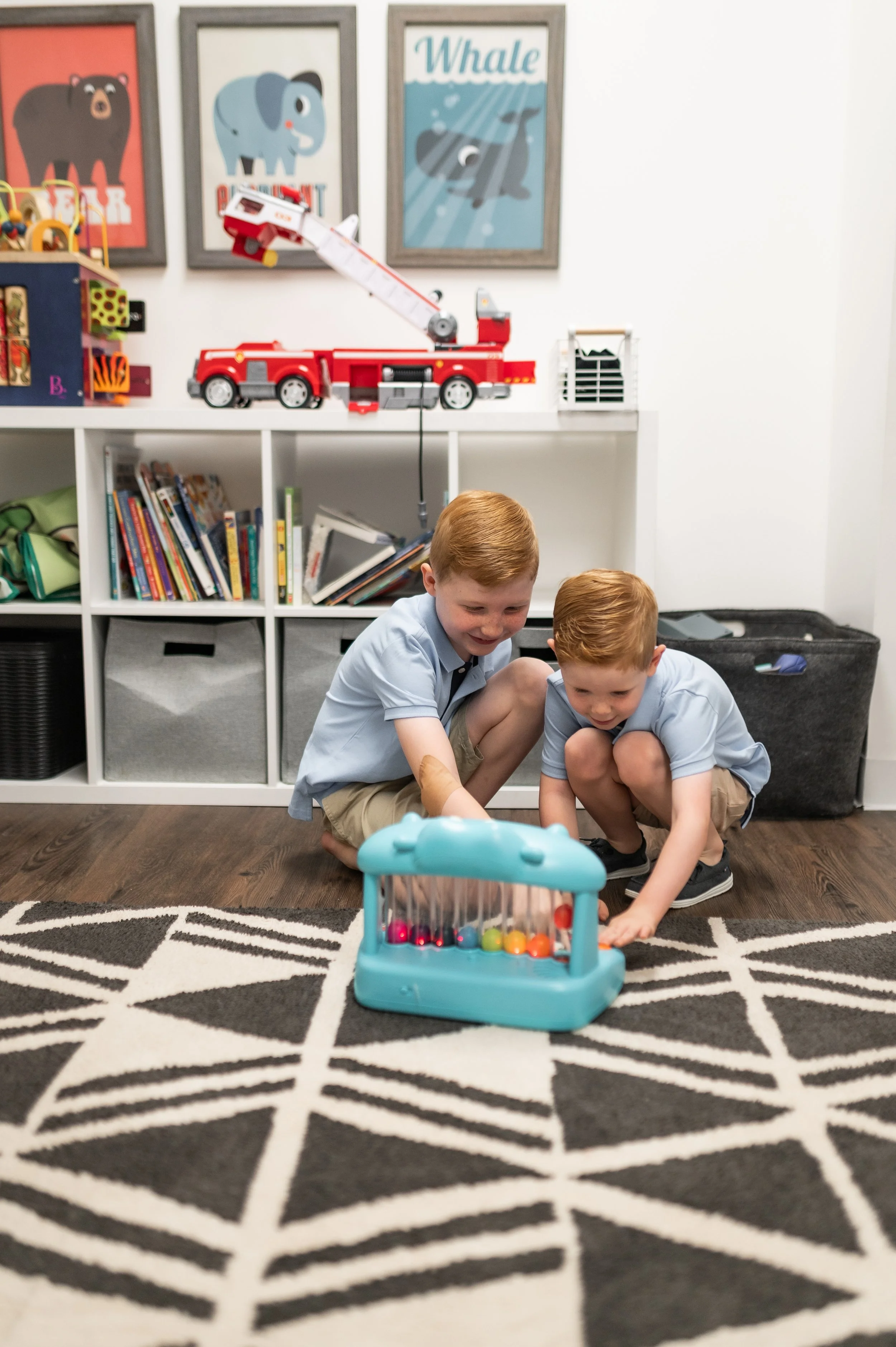
Developmental Delays
Developmental Delays
When milestones feel just out of reach.
- Speech and language delays
- Motor planning challenges
- Coordination difficulties
- Slower development than peers
- History of early intervention
Speech & Motor Planning
Speech & Motor Planning
When the words are there but won't come out.
- Apraxia or speech delays
- Difficulty with articulation
- Motor coordination challenges
- Slow or unclear speech
- Gap between understanding and expression
The answer was never in the diagnosis.
It was underneath it.
the missing piece
When this system is misfiring, reading, tracking, and focusing on a page become exhausting — not because your child isn't trying, but because their brain is burning through energy just making sense of what their eyes are seeing.
Visual System
When this system is dysregulated, busy classrooms become overwhelming, instructions don't stick, and your child can seem distracted or defiant when they're actually just struggling to process what they're hearing.
Auditory System

When this system is off, your child's nervous system never fully settles. That constant movement, the emotional volatility, the difficulty sitting still, the need to touch everything — it affects everything built on top of it.
Vestibular System
This isn't about passing a hearing screening or an eye exam. It's about whether those systems are communicating efficiently with the brain — and whether all three are working together the way they should.
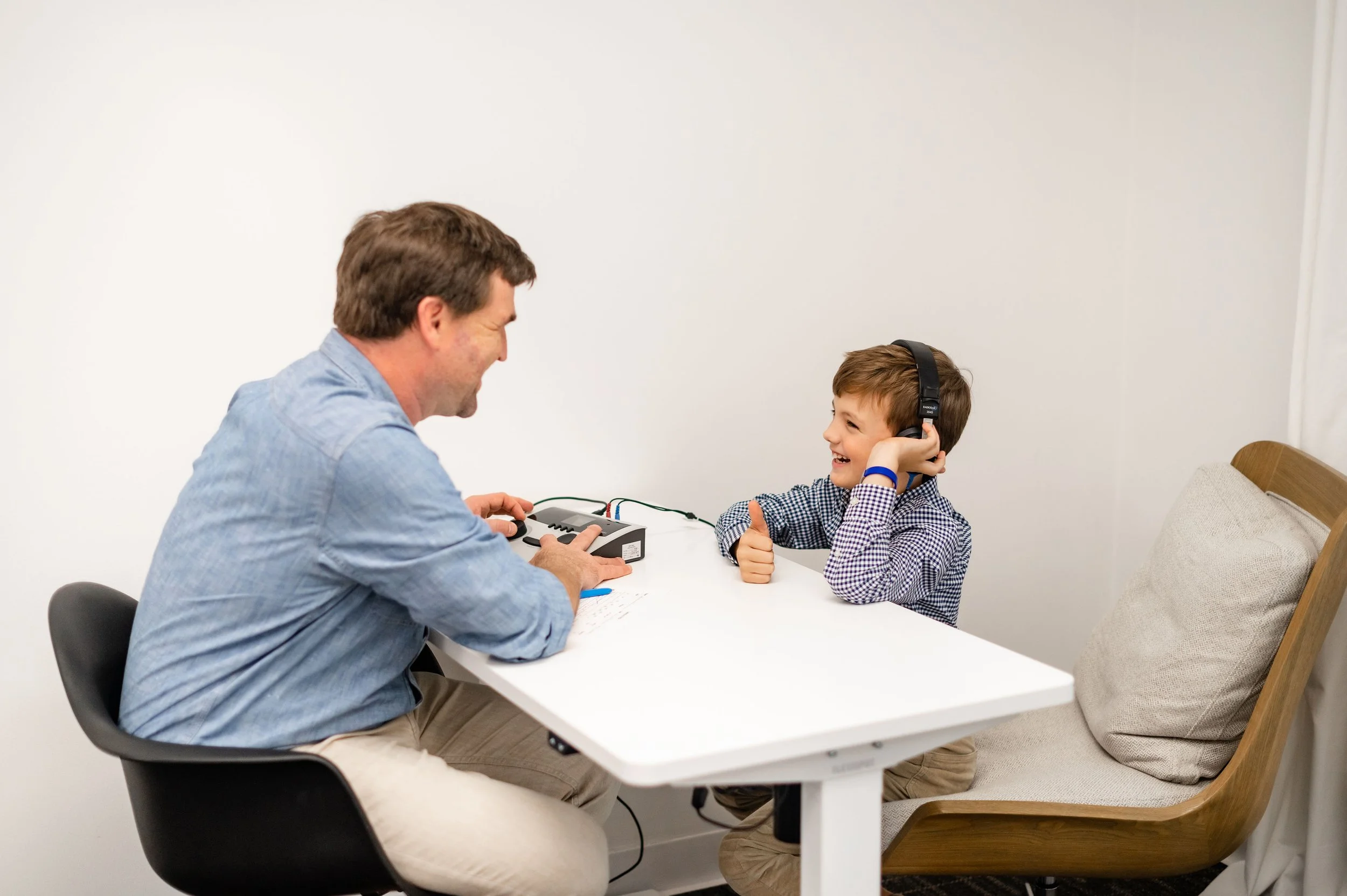
Thirty days. Designed around your child — and your family.
the NeuroRehab Protocol™
Comprehensive Evaluation
We assess your child's visual, auditory, and vestibular systems to identify exactly where the misfiring is happening. You'll leave knowing more about your child's brain than any previous evaluation has shown you — and with a clear roadmap for what comes next. Note: evaluations are designed for children 6 and up.
12-Day In-Office Retraining
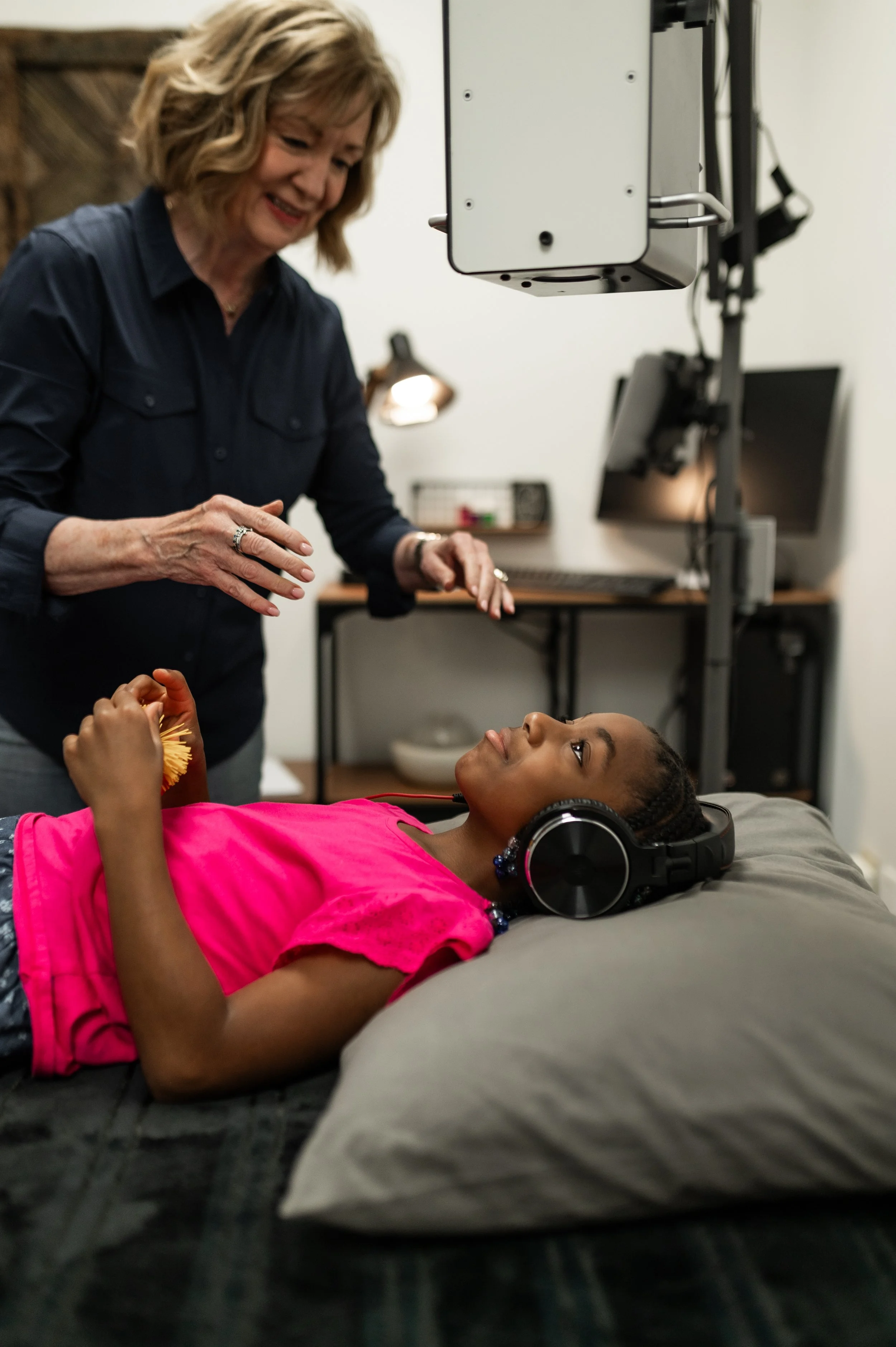
Sessions are calm, peaceful, and predictable — something most dysregulated kids actually respond really well to. Your child looks at a lightbox in a quiet room, on a gently moving table, listening to sounds through headphones. We can make accommodations for sensory sensitive children when needed. Parents are encouraged to stay.
18-Day Home Program
You take a portion of the protocol home. Simple, structured daily exercises designed to fit into family life — under 30 minutes a day. We walk you through everything before you leave so you feel confident doing it at home. At the 30-day mark the stimulation is complete and it’s time to allow neural pathways to mature.
Worried your child won't cooperate? Most parents are surprised. The sessions are quiet, predictable, and sensory-friendly by design — and we've worked with children of all temperaments.
We'll meet your child exactly where they are.
What age does it work for?
The protocol is designed for children (and adults) of all ages — including young toddlers, with parent involvement. The evaluation process looks different depending on your child's age and development. If you have a young child and you're noticing something feels off, or have a developmental concern, we'd love to talk.
Is this safe for children?
Yes. The protocol is completely non-invasive and drug-free — no equipment except for headphones touches your child, nothing enters the body. It uses light, sound, and gentle motion to engage the brain's sensory systems. It is safe for children of all neurological profiles (modified for those with epilepsy) and has been used with thousands of families.
How do I know if my child is a candidate?
The best way to find out is to schedule a discovery call. We'll ask a few questions and give you an honest answer. If your child is struggling with learning, focus, behavior, trauma, emotional regulation, sensory processing, speech challenges, or developmental concerns — and you feel like something upstream hasn't been addressed — they're likely a candidate.
Can I be with my child during their sessions?
Absolutely. Parents, relatives, or designated caregivers are welcome to sit right beside their child throughout every session. Some parents even choose to lie down next to their child and participate alongside them.
Does it work alongside therapy and medication?
Yes — and we encourage it. BrainVive doesn't replace therapy or medication, it works underneath them. Many families find that existing interventions become more effective after the protocol because the foundational systems are finally working the way they should. Always let your providers know you're doing the program.
How is this different from occupational therapy?
Occupational therapy is valuable and we respect it deeply — many of our families come to us having already done OT. The difference is what we add with three systems being stimulated simultaneously. OT addresses sensory skills and behaviors — working the vestibular system. BrainVive addresses the vestibular system and the auditory and visual systems too. We love OT work and often encourage our families to work with an OT on primitive reflex integration or OT sessions post BrainVive.
My child has a hard time being still — can they still do this?
This is one of the most common concerns we hear — and one of the most common surprises. Many children who struggle to sit still anywhere else find the sessions manageable, even enjoyable and calming. The sensory input acts as stimulation the brain and body is seeking. Our team is trained to help engage any child who needs it, but often after a few sessions a child is able to do the session independently. We've yet to meet a kiddo we couldn't accommodate.
How quickly will we see results?
Some families notice shifts within the first few days — better sleep, a calmer morning, something small but unmistakable. Others see changes emerge more gradually over weeks and months as neural pathways grow and strengthen. Progress isn't always linear, but by the end of 30 days most families have a clear before and after. Many report that the most significant changes come at the three to six month mark, as the brain continues to integrate what was retrained.
Is this backed by research?
The three sensory systems BrainVive works with — visual, auditory, and vestibular — are well established in neuroscience and developmental research. The specific protocol we use is based on decades of work in sensory integration and neural retraining. We're happy to share research and resources with families who want to go deeper. Or check out our research page.
What does a typical day look like during the 12 days?
Each day includes two 30-minute sessions in office, spaced at least 1.5 hours apart — or the entire day apart — to give the brain time to integrate between them. Sessions are calm and predictable, your child will know what to expect from day one. Kids can play during their session with fidget toys or stuffed animals, and each child is provided with a clean blanket and pillow. Most families find a rhythm quickly, and many kids actually look forward to coming in.
My child has sensory sensitivities — can they still do this?
Yes — and you might be surprised. We work with sensory-sensitive children regularly, even those with high anxiety. We have seen many of them rise to the occasion in ways that genuinely surprise their parents. Sessions are predictable, calm, and fully accommodating — headphones can be adjusted, and parents are encouraged to stay. We'll meet your child exactly where they are.
What if we're traveling?
BrainVive is based in Atlanta, and families travel from across the country to work with us — some have even turned the 12 days into a family trip. We also run pop-up locations in cities nationwide based on interest. If you're not in Atlanta, reach out and let us know where you are — we may already be coming to you, or your interest could help us get there.
No such thing as too many questions when it's your child.
GOOD QUESTIONS
Your child has been trying hard enough. The answer may be closer than you think.
the next step